
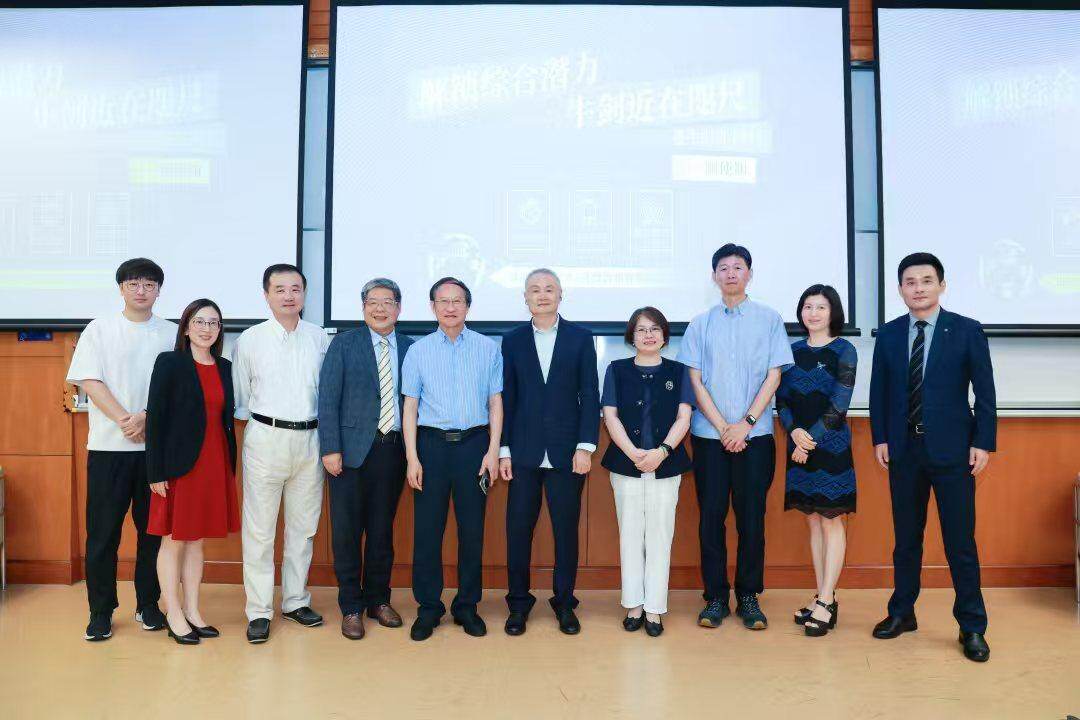
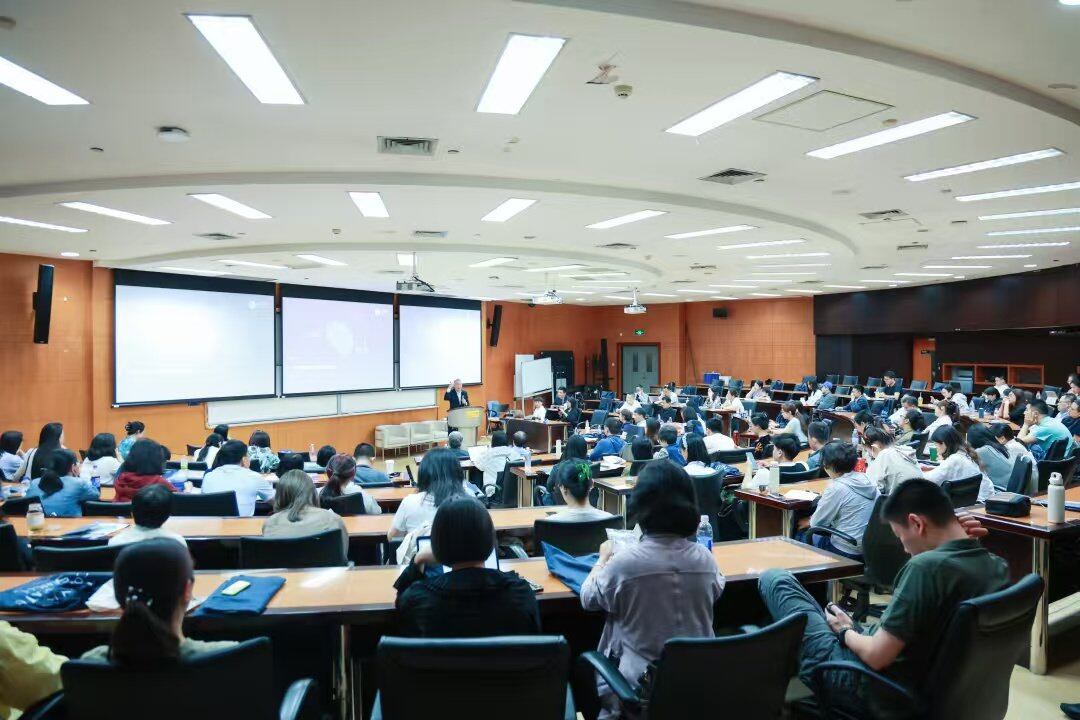
As Shanghai students finished the zhongkao (senior high school entrance exams), around 100 Fudan University School of Management alumni and their families gathered on June 23 to explore the routes now open to young people. The forum was hosted by the School’s Alumni Center and Fu Er Dai Club, and supported by Dipont Education.
Understanding the child comes first
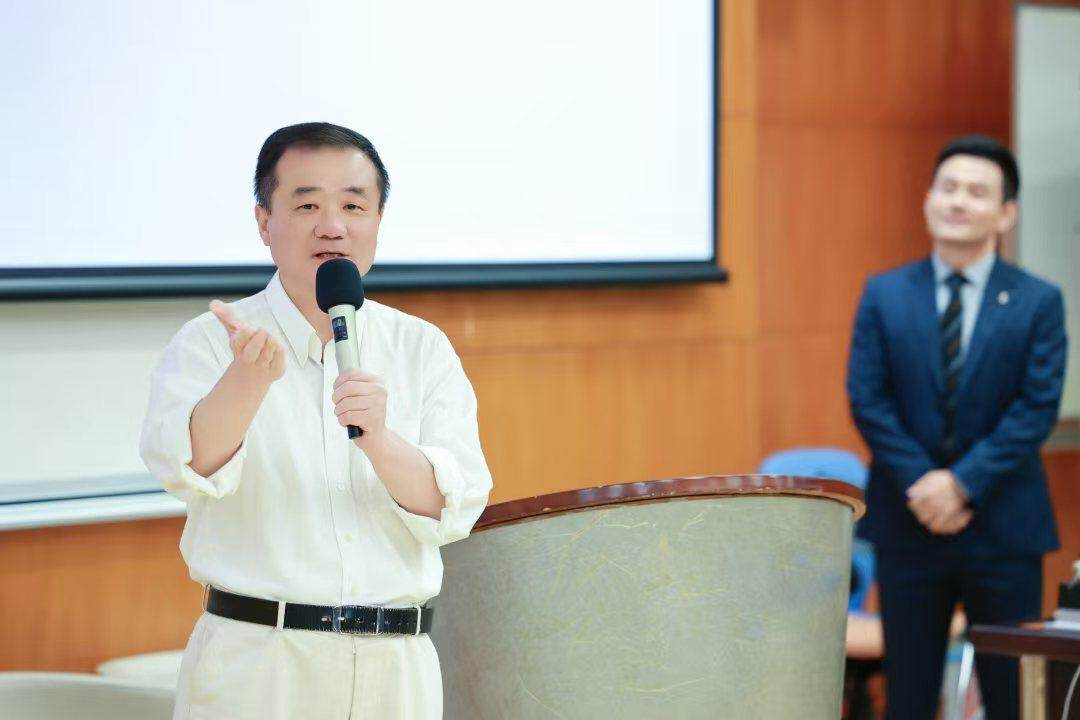
Alumni Center Director Miao Qing set the tone: the real question for parents is not which school to choose, but how to understand their child. Fu Er Dai Club Executive Director Zhan Yihui encouraged families to take a more open, balanced view of education.
See the child, not just the score
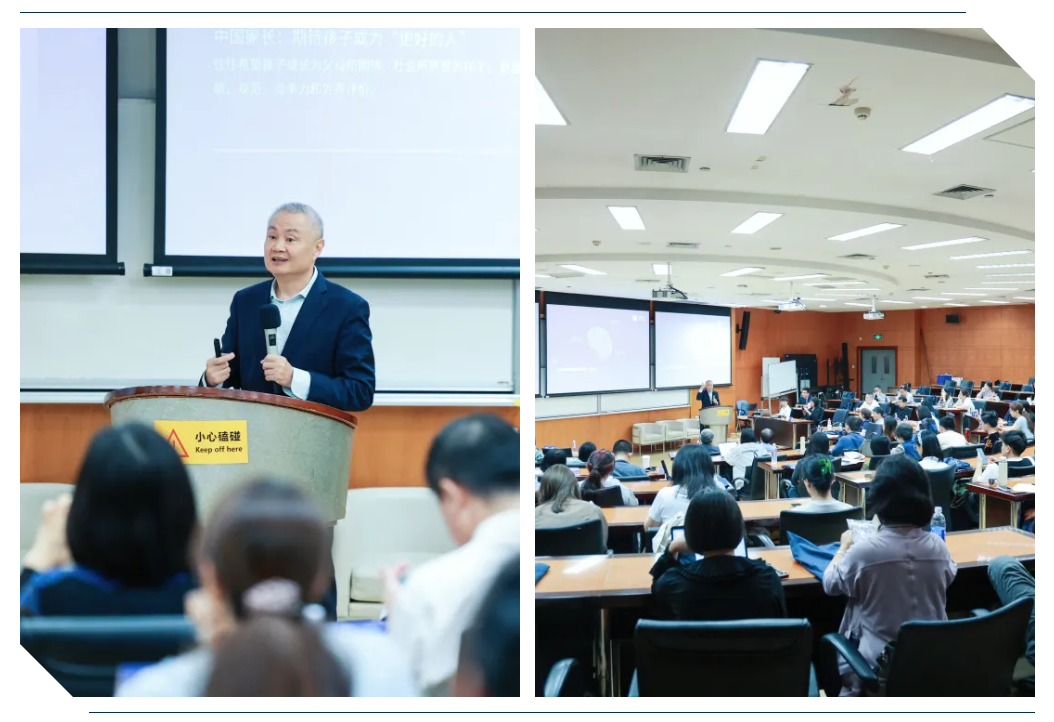
Discovering potential
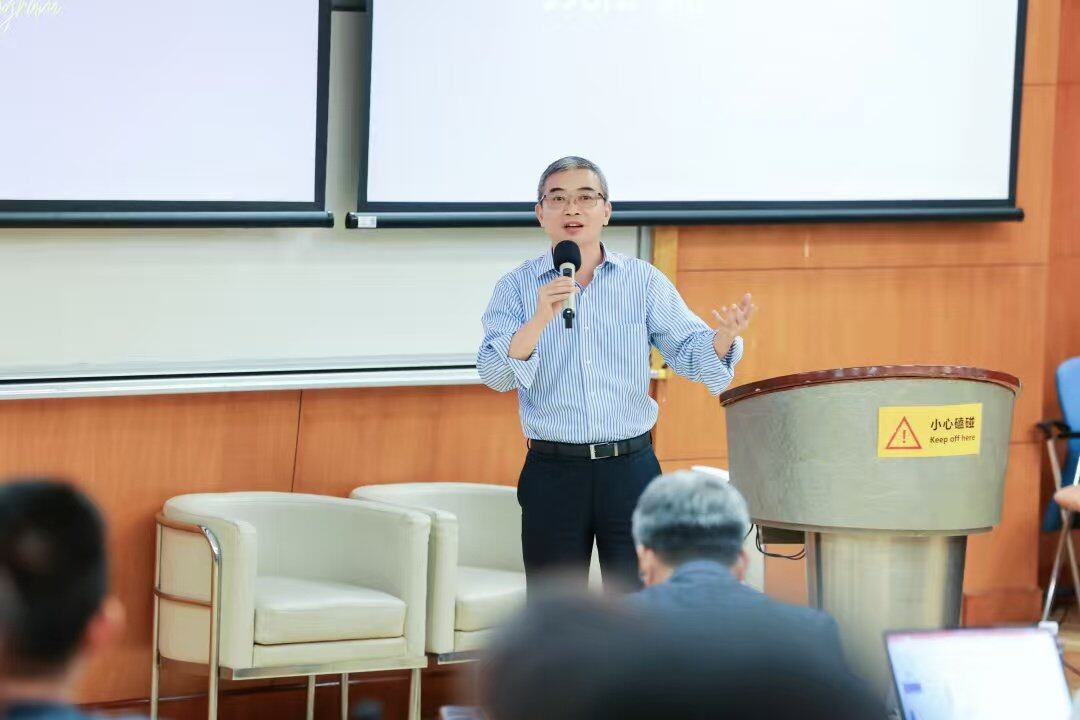
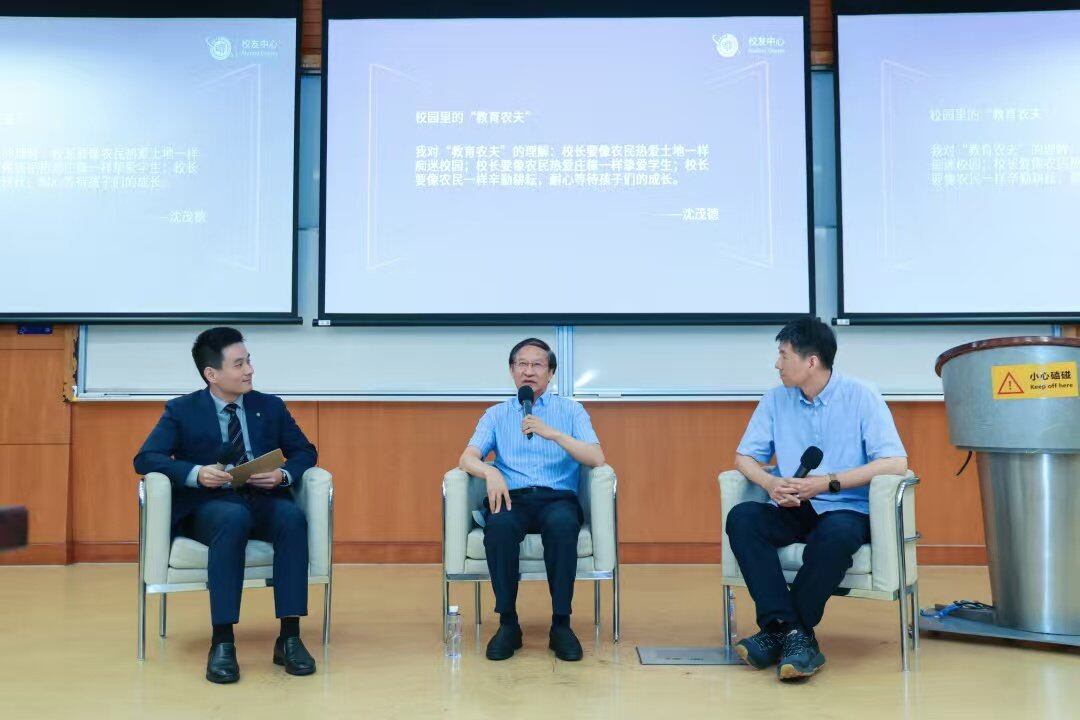
Shen Maode, former Principal of Jiangsu Tianyi High School, sees every child as a potential goldmine. After nearly 30 years of following around 1,000 high achievers, he points to five factors behind long-term success: dreams, interests, habits, character and breadth of outlook.
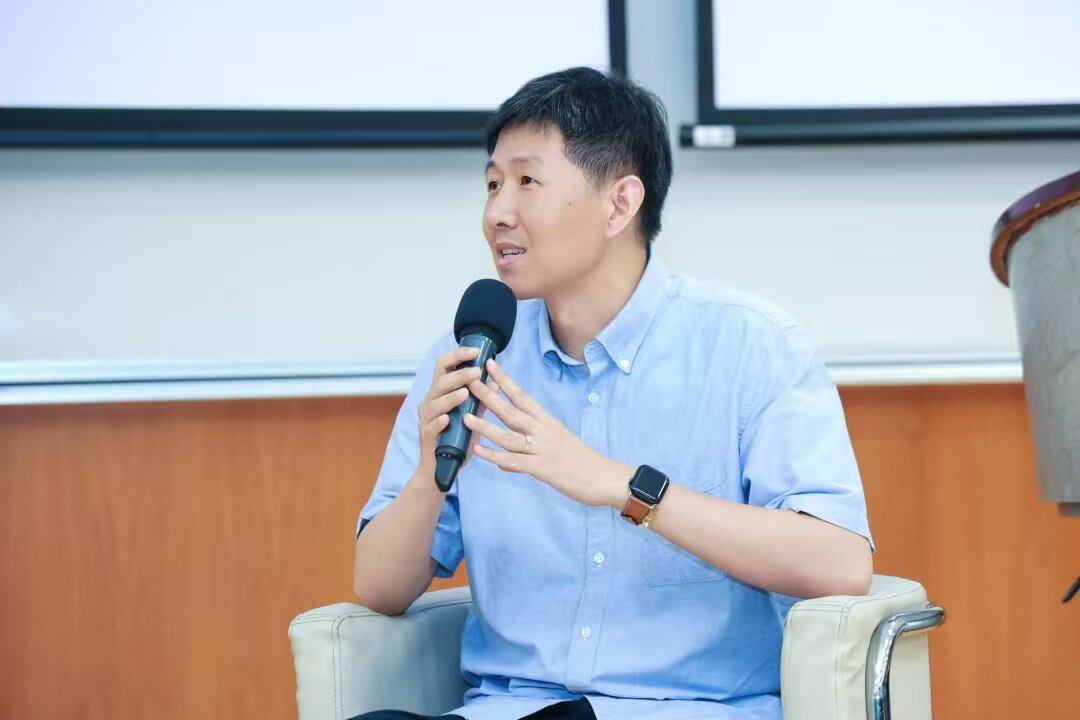
Jin Jing, informatics olympiad coach at the Second Affiliated High School of East China Normal University, stressed curiosity, independent learning and resilience, citing a former student who reached the podium at the ICPC World Finals through a lasting love of programming.

Choosing what fits, not what is fashionable
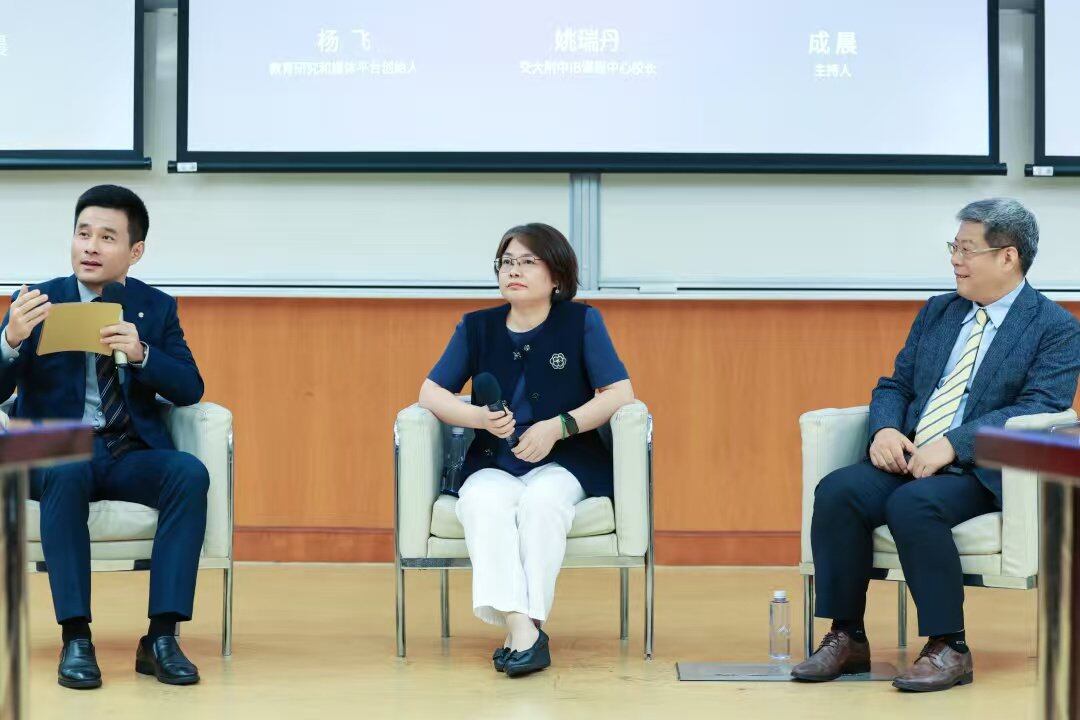
The second panel brought together Yao Ruidan, Principal of the IB Center at the High School Affiliated to Shanghai Jiao Tong University, and Yang Fei, co-founder of the education research platform Xinxueshuo, to discuss international education at high school level.
Yang Fei noted that families are increasingly asking which kind of education suits their child, rather than which school is best known. The key difference between the national and international routes, he said, lies less in the curriculum than in how students are developed, with international programs placing more weight on independent learning, critical thinking and project work. Families who decide earlier give their children more time to prepare. Yao Ruidan described what makes the IB approach distinctive and why broad personal development matters in an international setting.
No single right answer
Every speaker returned to the same message: there is no single correct path. What matters is that children keep their curiosity, develop their interests and grow in confidence in an environment that suits them.


